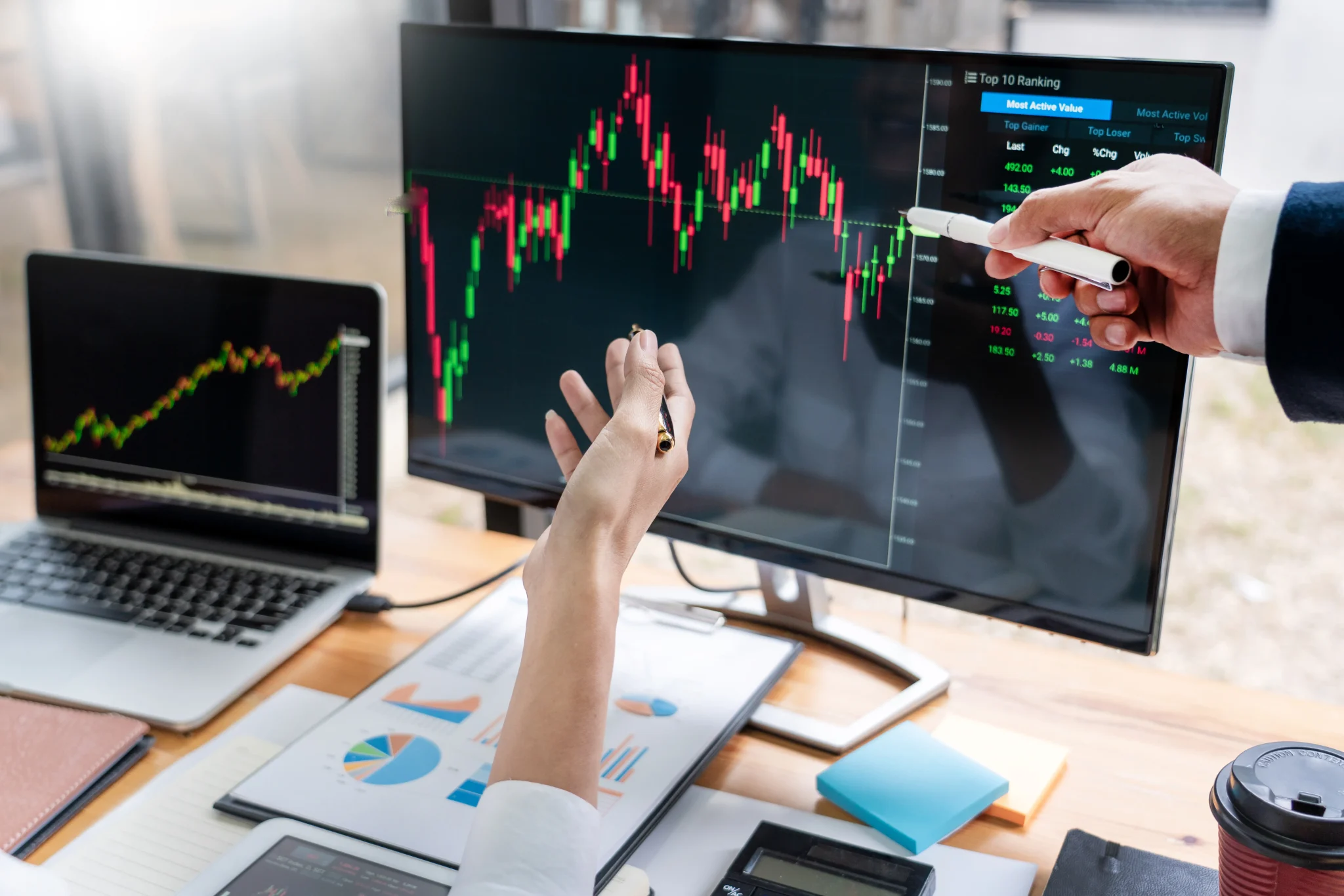
The Evolution of AI Energy Consumption & Automation


Table of Contents
Key Takeaways
AI and automation are rapidly transforming the way we manage energy, from automated power grids to smart devices that optimize usage. As AI continues to integrate into our daily lives, it’s reshaping the energy landscape. Whether you’re a homeowner trying to lower your bills or a business looking to improve efficiency, AI and automation are unleashing new ways to take control of your energy use.
The Power of AI Energy Management in Today’s Grid
What Is AI Forecasting?
AI-driven energy forecasting uses machine learning and historic data to predict future supply and demand as well as consumption patterns. This includes both short- and long-term forecasts based on local weather patterns, seasonal demand shifts, and peak usage spikes.
These predictive tools have become a breakthrough for grid management, helping operators avoid overloads, proactively schedule maintenance, and adjust in real time for sudden shifts in demand. Accurate forecasting and a well-balanced power grid result in fewer peak charges and more consistent energy rates for both residential and commercial consumers.
Impact on the Industry
AI forecasting helps utility companies and energy providers improve their load balance, reduce the risk of outages, and manage supply with data-driven precision. It also allows utilities to purchase wholesale energy strategically, helping them use grid resources more efficiently. The final result is that AI forecasting lowers utility operating costs and contributes to a more resilient power grid.
Impact for Consumers
AI forecasting helps utility companies and energy providers improve their load balance, reduce the risk of outages, and manage supply with data-driven precision. It also allows utilities to purchase wholesale energy strategically, helping them use grid resources more efficiently. The final result is that AI forecasting lowers utility operating costs and contributes to a more resilient power grid.
AI in Grid Management & Demand Response
AI is revolutionizing demand response and grid management, reshaping how energy is distributed and consumed across the nation. AI-powered demand response technology allows the grid and smart devices to automatically adapt to fluctuating energy demands in real-time. Predictive analytics features also streamline power distribution, helping utilities use or store renewable energy more efficiently and improving grid stability.
What Is Demand Response?
Demand response is a grid management strategy in which consumers temporarily reduce their energy usage during peak demand periods. It’s designed to help prevent power outages and infrastructure damage due to grid overload. Many businesses also participate in demand response programs to earn incentives for shifting their operations to off-peak hours. This can be a manual, voluntary process, or large businesses and industrial facilities can automate their demand response with smart devices to maximize savings.
AI and automation tools improve demand response by predicting future peak demand periods with historic data and predictive models. This gives businesses and households additional time to prepare for a peak event, helping them reduce expensive demand charges. Automated load shedding is another perk of AI-powered demand response, offering a hands-free approach to reducing energy usage. These features help businesses and households manage their energy consumption, helping them cut costs and support a more stable grid.
How AI Strengthens the Grid
AI has the power to initiate real-time adjustments through smart, connected devices such as thermostats, electric vehicles (EVs), and battery storage. This means grid operators can use AI-integrated demand response technology to automate grid management, lowering the chance of power outages. AI also helps allocate and disburse stored energy resources to meet peak demand, contributing to a more balanced and resilient grid.

Utilities
AI automatically disburses stored hydropower on a hot summer afternoon as the grid reaches peak demand to keep the grid stable.

Large Commercial
With smart device integration, AI can automatically reduce non-essential operations during an extreme weather event.

Small Business
If part of a demand response program, the business owner can earn incentives for adjusting their HVAC settings and turning off lighting.

Residential
Smart devices, like thermostats or home management systems, optimize your energy use without manual input.
Predictive Maintenance & AI Energy Efficiency
The predictive maintenance features of AI technology are a key resource for maintaining infrastructure in our complex energy grid. For utilities and grid operators, AI constantly monitors vital equipment, like transformers, energy storage facilities, and substations. The AI software can detect early signs of wear or failure, offering real-time alerts when maintenance is recommended. By predicting and preventing breakdowns before they happen, utility companies can lower their maintenance costs and minimize service interruptions for their customers.
For businesses and homeowners, predictive maintenance takes the form of smart appliances and devices. These tools use AI to monitor energy usage and wear in real time, alerting the user when maintenance is needed. For example, a smart thermostat can alert a business owner to an HVAC system that’s losing efficiency. Similarly, a smart washing machine might alert a homeowner about an impending issue that needs repair. Smart features help businesses and households reduce their maintenance costs and energy bills by keeping appliances running efficiently.
Benefits for the Grid & Utility Companies
- Reduce operating costs by preventing unnecessary repairs.
- Lowering the risk of power outages due to equipment malfunctions.
- Improves equipment longevity, reducing the need for upgrades.
- Greater operational efficiency by optimizing maintenance schedules.
Benefits for Businesses & Homeowners
- Lower repair costs and operational downtime by predicting failures
- Smart appliances alert users to maintenance needs in advance
- Optimizes energy use by maintaining peak appliance performance.
- Reduces energy waste, leading to lower electricity or gas bills.
AI for Renewable Energy Integration
Renewable energy sources like solar and wind are emission-free but often unpredictable. Since their output depends on weather conditions, it can be difficult to match energy supply with demand. This is especially difficult during rapid shifts in usage, like hot summer afternoons or cold winter mornings. This imbalance creates challenges for grid operators trying to maintain a stable, resilient power system.
AI can help address intermittency issues by automating how renewable energy is stored, dispatched, and consumed. At the utility or supplier level, AI can adjust solar panels or wind turbines in real-time to maximize output based on current weather data. For homes and businesses, AI makes sure that the energy you produce is used or stored efficiently. It can automatically draw from batteries or sell excess energy back to the grid when conditions are right.

Energy Suppliers
AI helps suppliers forecast renewable energy output more accurately, improving wholesale energy pricing and contract planning.

Utility Companies
Utilities use AI to balance variable renewable sources with traditional power, reduce grid strain, and improve reliability during peak usage.

Businesses
AI enables businesses to optimize behind-the-meter solar and battery systems, lower energy costs, and generate revenue by feeding excess power back to the grid.

Homeowners
Smart solar systems use AI to store energy for later use or sell it back to the grid, maximizing savings through solar incentives and buyback programs.
Pro Tip:
If your home or business uses solar, ask your provider if they offer smart tools for solar storage or usage optimization.
Take Control of Your Costs with AI Energy Solutions
Whether you’re managing a home or business, AI is a powerful tool for reducing your energy bills and streamlining your usage. These technologies automate energy decisions based on real-time data, giving you more control than ever before! Investing in AI tools helps you cut energy waste, improve efficiency, and establish long-term energy savings. From building automation systems for businesses to household weekly usage reports from your supplier, AI can help you make smarter choices every day.
Transform Your Property with Energy Automation Tools
- Energy Management Systems
- Building Automation Systems
- Programmable Thermostats
- Automated Lighting Sensors
- Rooftop Solar with Battery Storage
- Electric Vehicles & Charging Stations
- Smart Appliances & Power Strips
- Smart Water Heaters
Can AI Energy Solutions Overcome the Cost Barrier?
The biggest barriers to the widespread adoption of AI energy management tools are cost and accessibility. Advanced smart systems can be incredibly expensive to install, often requiring professional expertise that isn’t readily available or affordable for homeowners and small businesses.
However, as AI technologies continue to evolve, they’re becoming more affordable and easier to use. These energy automation tools will soon become essential for every home or business, empowering more people to reduce energy costs and support a smarter and more resilient grid.
Compare Energy Rates with Price to Compare
Comparing energy prices and plans in your area has never been easier. Start saving on your energy bills today by exploring electricity and natural gas solutions.

Our Most Recent Blogs
Get the knowledge you need from experts you can trust. Browse our most recent blogs for practical advice, market updates, and helpful resources.