When Is the Best Time to Wash Clothes to Save Electricity and Money?


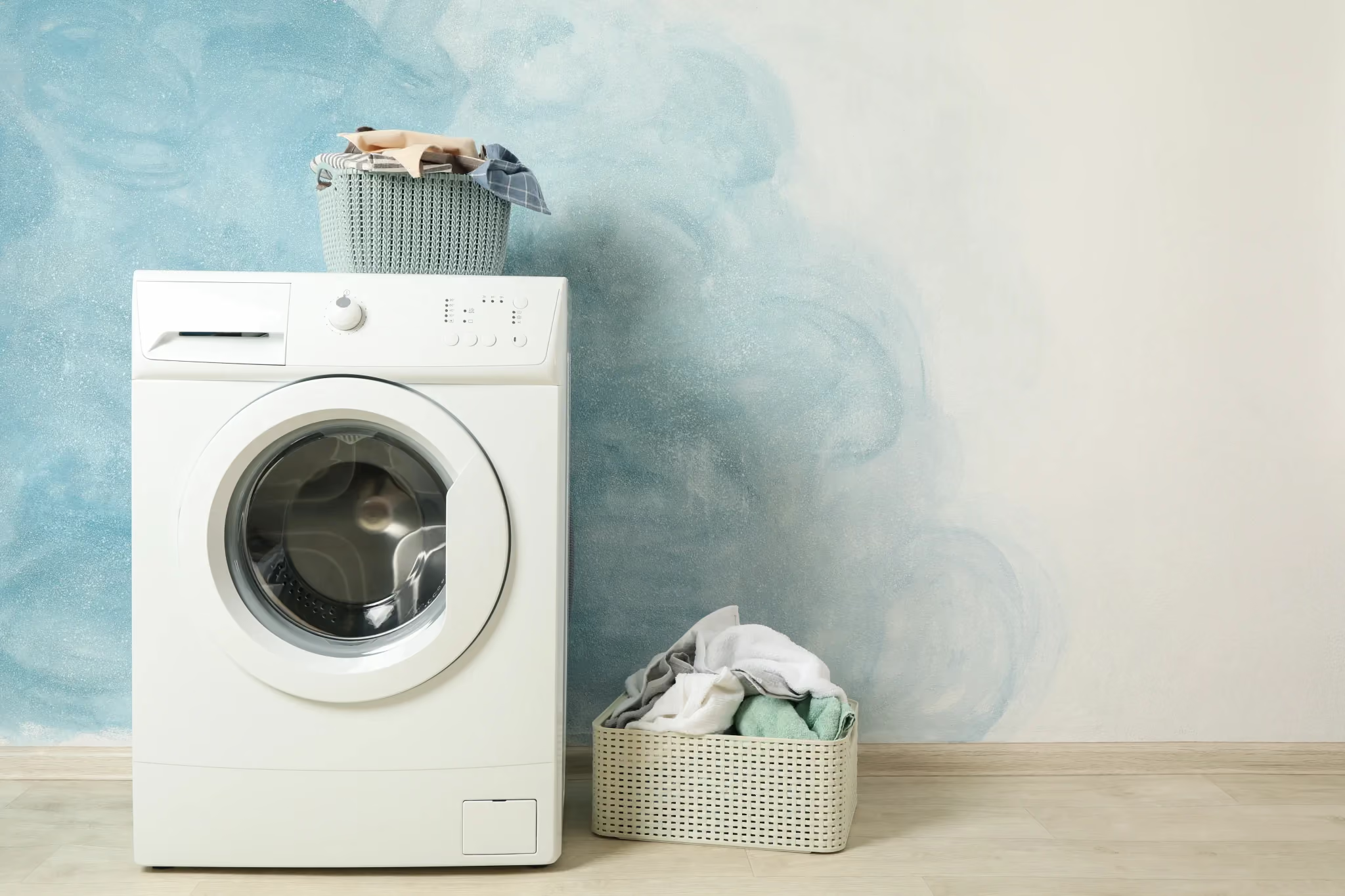
Table of Contents
Key Takeaways
Energy rates tend to rise when demand is high, which means doing laundry costs more during peak hours. By understanding the best times to run your washer and dryer, you can take advantage of off-peak rates and save money on energy.
How Does Laundry Affect Your Energy Usage?
When you wash and dry clothes, you’re using two of the most energy-hungry appliances in your home or business. Washing machines use electricity to heat water and spin clothes, while dryers use natural gas and/or electricity for heating and tumbling. That’s a lot of energy. Laundry makes up 10% of the total energy consumption for an average household.
If your utility company or energy supplier uses time-based pricing, the timing of your laundry can have a big impact on your monthly bills. During peak hours, when more people are using energy, rates tend to be more expensive. Off-peak hours often have lower rates.
Your washer and dryer use the same amount of energy regardless of when they run. By doing laundry when demand is low, you can save money without making any other changes. It’s an easy way to reduce costs and reduce the strain on your local grid.

When is the Best Time to Do Laundry?
Best Time to Wash Clothes on Weekdays
On weekdays, the cheapest time to do laundry is in the middle of the day or late at night. This is when energy rates tend to be the lowest, so it costs less to wash and dry clothes. Peak weekday hours, when rates are higher, tend to be in the morning and late afternoon/early evening. Peak and off-peak times can vary by season; check your utility bill for current timings.
Best Time to Do Laundry on Weekends
Energy demand tends to be lower on weekends, so some power companies offer off-peak rates all day on Saturdays and Sundays. If that’s true in your area, you may be able to save money by doing all your washing and drying on the weekends. Some energy suppliers also offer special weekend deals. Check with your provider to see if that’s an option.
How Can You Take Advantage of Off-Peak Hours for Laundry?
Doing laundry during off-peak hours is an easy way to lower your utility bills, but what if you’re sleeping or working during these periods? These strategies can help you benefit from lower rates without switching up your routine.
Use Smart Appliances and Delay Start Features
Newer washers and dryers often have a timer or “delay start” feature that holds off the cycle until a future time. Put in a load of clothes before you go to bed or leave for the office, and schedule it to run during off-peak hours to save money.
Automate Laundry With Smart Home Systems
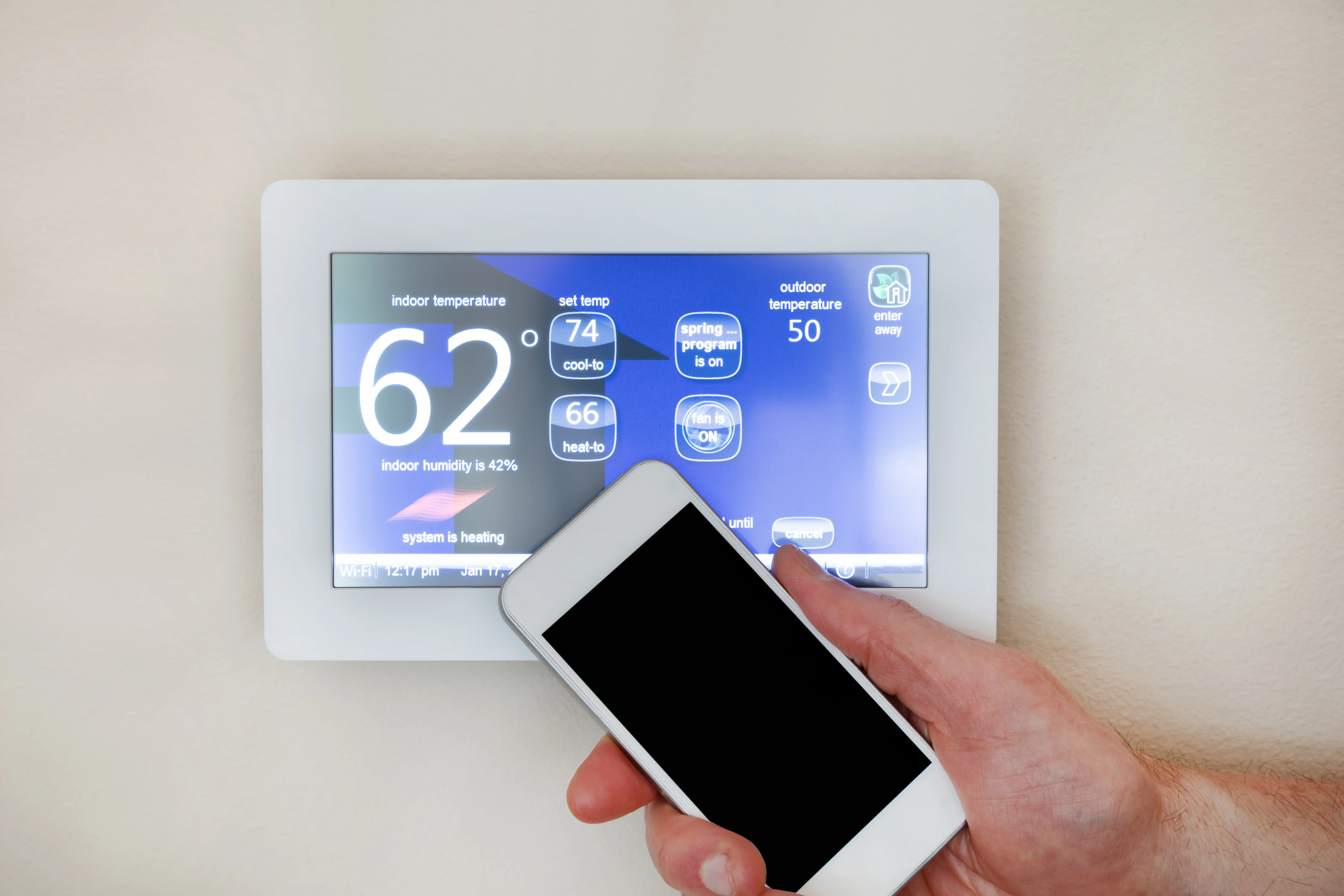
If you have a smart home system, such as Alexa or Google Home, you can program it to run the washer or dryer automatically. Scheduling laundry to run when energy rates are low can offer hands-off savings.
Wash Full Loads in Cold Water
Save even more money on laundry by washing full loads of clothes in cold water. You’ll run fewer cycles, use less energy, and save money. As a bonus, your clothes will last longer.
What Are Some Additional Ways to Save Energy on Laundry?
Timing your laundry isn’t the only way to save energy and money. Use these tips to boost energy efficiency, help your appliances last longer, and lower your utility bills.
Maintain Your Washer and Dryer
You don’t have to be an expert to keep your washer and dryer in great shape. These simple steps can help your appliances run more efficiently:
- clean your lint filters after each load
- inspect hoses for leaks
- check for tight seals
Upgrade to Energy-Efficient Models
When you’re ready for a new washer or dryer, consider upgrading to a model with ENERGY STAR certification. Energy-efficient washing machines and clothes dryers use about 20% less energy, which results in long-term savings and reduced emissions.
Try Alternative Drying Methods
Give your dryer a break by air-drying your clothes on a clothesline or drying rack. Alternatively, toss a few affordable dryer balls in with each load to increase air circulation, reduce drying time, and use less energy.
How Do Energy Rates Vary by Region?
Peak and off-peak hours vary by region and utility, which means the best time to do laundry in California might be different from the best time in Maine. States such as Texas, Ohio, and California have energy deregulation, so many providers offer time-of-use (TOU) pricing with rates that change based on the time of day. Suppliers and utility companies in these states often publish clear rate schedules to help you adjust your energy usage. If you’re wondering about the best time to wash clothes to save electricity based on where you live, your utility bill should explain peak and off-peak times.
Compare Energy Rates with Price to Compare
Comparing energy prices and plans in your area has never been easier. Start saving on your energy bills today by exploring electricity and natural gas solutions.

Our Most Recent Blogs
Get the knowledge you need from experts you can trust. Browse our most recent blogs for practical advice, market updates, and helpful resources.