Understanding Regulated & Deregulated Energy Markets


Table of Contents
Key Takeaways
States fall within two types of energy market categories: regulated and deregulated. The state where you or your business resides in determines your energy choice options. By knowing the differences between these markets, you can find the cost-saving opportunities available to you.
What is a Regulated Energy Market?
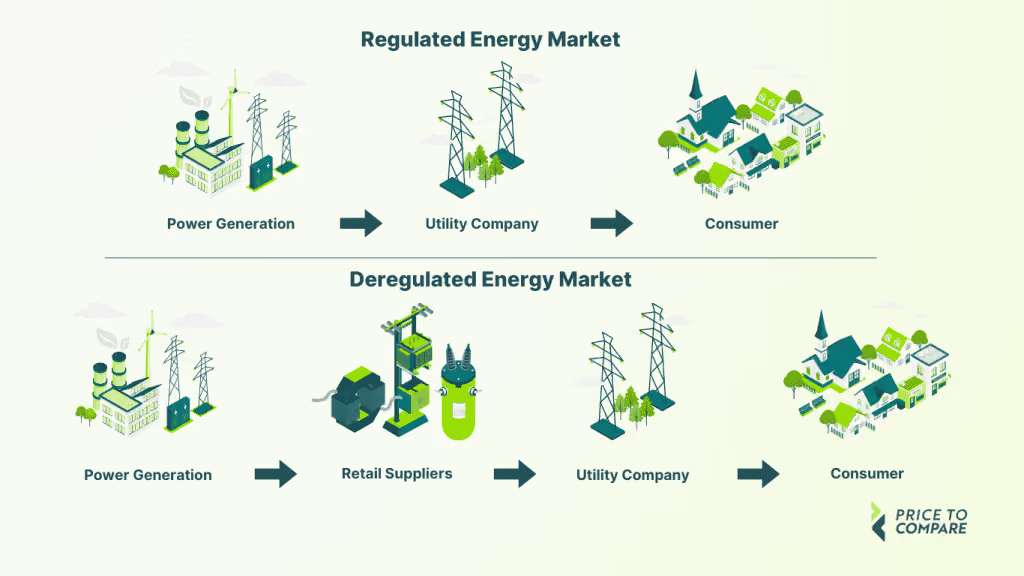
If you reside within a regulated energy state, you don’t get to choose your energy supplier. Instead, your home or business receives default natural gas and electricity rates from the local utility company. They are responsible for both the supply and delivery of your energy. State public utility commissions oversee and monitor the rates and pricing set by the utilities to ensure they are fair and reliable. Unlike deregulated energy states, where prices and plans are competitive, customers in these states have limited rate flexibility and must accept utility-set pricing without supplier choice. Since utilities provide variable-rate energy plans, homeowners and businesses often fall victim to unpredictable rate fluctuations.
Key Characteristics of Regulated Energy Markets
- Single utility provider
- State-approved energy rates
- No supplier choice
- Variable energy rates
- Simplified process
What is a Deregulated Energy Market?
Energy-deregulated states allow consumers to choose their natural gas and electricity provider. The utility company still handles the delivery of power to homes and businesses, but consumers can choose who generates and supplies it. With many different suppliers to choose from, they compete for your business, causing rates to vary and be more competitive than in a regulated energy market. This also opens the opportunity to select different types of plans. Instead of the default variable rate plan that regulated states have, deregulated electricity states offer unique rates, plans, and contract lengths to support the different goals and budgets of their customers.
Key Characteristics of Deregulated Energy Markets
- Customer choice
- Rate and plan flexibility
- A variety of competitive suppliers
- Market-driven pricing
- Utility handles delivery only
How Energy Flows in Regulated vs. Deregulated Markets
Regulated markets place the utility responsible for both the supply and delivery of energy to the consumer. Utilities cannot profit from the rate provided to residents and businesses, so variable rates are used to cover costs only. Like regulated markets, deregulated states have the utility company deliver the energy, but the rates and plans are provided by the supplier that the consumer chooses.
How Energy Deregulation Works for Customers
Residents in a deregulated electricity state can stick with the utility default plan or go shopping for a lower rate from an energy supplier. The process of switching is simple; reach out to a supplier or energy brokerage to compare plans offered in your area. Once you sign the contract, the transition is seamless, with your new rate and plan showing up on your next utility bill.
What Stays the Same When You Switch Suppliers
- Your utility company
- Power outage response
- Delivery through power lines
- Reliability standards
What Changes When You Choose a Supplier
- Energy rate
- Contract length
- Plan features
- Renewable options
Which States Have Regulated or Deregulated Energy Markets?
Where you live or operate your business determines whether you have a regulated or deregulated energy market. Regarding the deregulated states, many offer full energy choice where you’re free to pick both your electric and natural gas supplier, while some offer one or the other. There aren’t many states with deregulated electricity only, but many that offer natural gas choice exclusively. Refer to our regulated vs. deregulated energy markets map to see what each state offers.

What Are the Benefits of Energy Choice?
Energy choice gives customers the chance to secure lower rates, unique plans, and green options that address specific needs. Having the flexibility to choose from a wide variety of suppliers can help residents and businesses reduce utility costs long-term.

Flexibility in Energy Plans & Contracts
Having multiple suppliers competing for your business means that you’ll have more plan options and flexible contract lengths to choose from. Many suppliers even offer customizable plans based on specific needs.

Potential for Competitive Energy Rates
Healthy competition between energy providers means that their rates are constantly changing to try to encourage you to sign up with them. By comparing rates of multiple suppliers in your area, you’ll be able to make an educated decision when it comes time to sign your contract.

Access to Renewable & Green Energy Solutions
Understanding the growing interest in clean and sustainable energy, many suppliers offer 100% renewable plans, so customers can reduce their carbon footprint. There are also different initiatives and programs offered that incentivize customers to switch to energy-efficient equipment.

Expanded Energy Product Options
Energy deregulation opens the door to unique solutions such as demand response and usage monitoring. By partnering with a supplier, you’ll have access to special plan options and incentives
How to Navigate Deregulated Energy Markets
Traversing the deregulated market can seem stressful. Shopping for plans on your own, especially when you are unaware of how the energy market works, can be difficult and overwhelming. However, there are ways to make it easier. Price to Compare allows you to shop and compare plans side-by-side with our free online marketplace. In just a few clicks, you’ll be able to see available rates and plans in your area today!
FAQs About Regulated & Deregulated Energy Markets
Am I automatically eligible for energy choice if my state is deregulated?
For the most part, yes. However, some municipal utilities or cooperatives may still operate under regulated rules. If you’re unsure, you can reach out to your city or utility for more information.
Will I experience any service interruption when switching?
No, your local utility will continue to deliver your electricity or natural gas to your home or business, even if you are in the process of switching. The only differences you will see from switching will show up on your next utility bill.
Can renters choose their own electricity supplier?
Sometimes. Renters can choose their supplier if the utility account is in their name and if they are responsible for paying the energy bill. If it is in the name of their landlord, they will need to ask for permission from them before switching providers.
Are there cancellation fees or early termination fees?
Some energy plans and suppliers have cancellation or early termination fees. It’s important to review contract terms carefully before enrolling or switching plans if you hope to avoid these fees.
Are renewable energy plans more expensive?
Not necessarily. Many green plans are competitively priced and, in some cases, the same price as traditional plans. Incentives and increased interest in sustainable options have made clean energy more affordable and accessible.
Can businesses and homeowners access the same energy plans?
Generally, no. Due to vast differences in usage and contract needs, business plans are structured differently from residential plans. Businesses also often have more access to wholesale pricing and customized plan options.
Compare Energy Rates with Price to Compare
Comparing energy prices and plans in your area has never been easier. Start saving on your energy bills today by exploring electricity and natural gas solutions.

Our Most Recent Blogs
Get the knowledge you need from experts you can trust. Browse our most recent blogs for practical advice, market updates, and helpful resources.