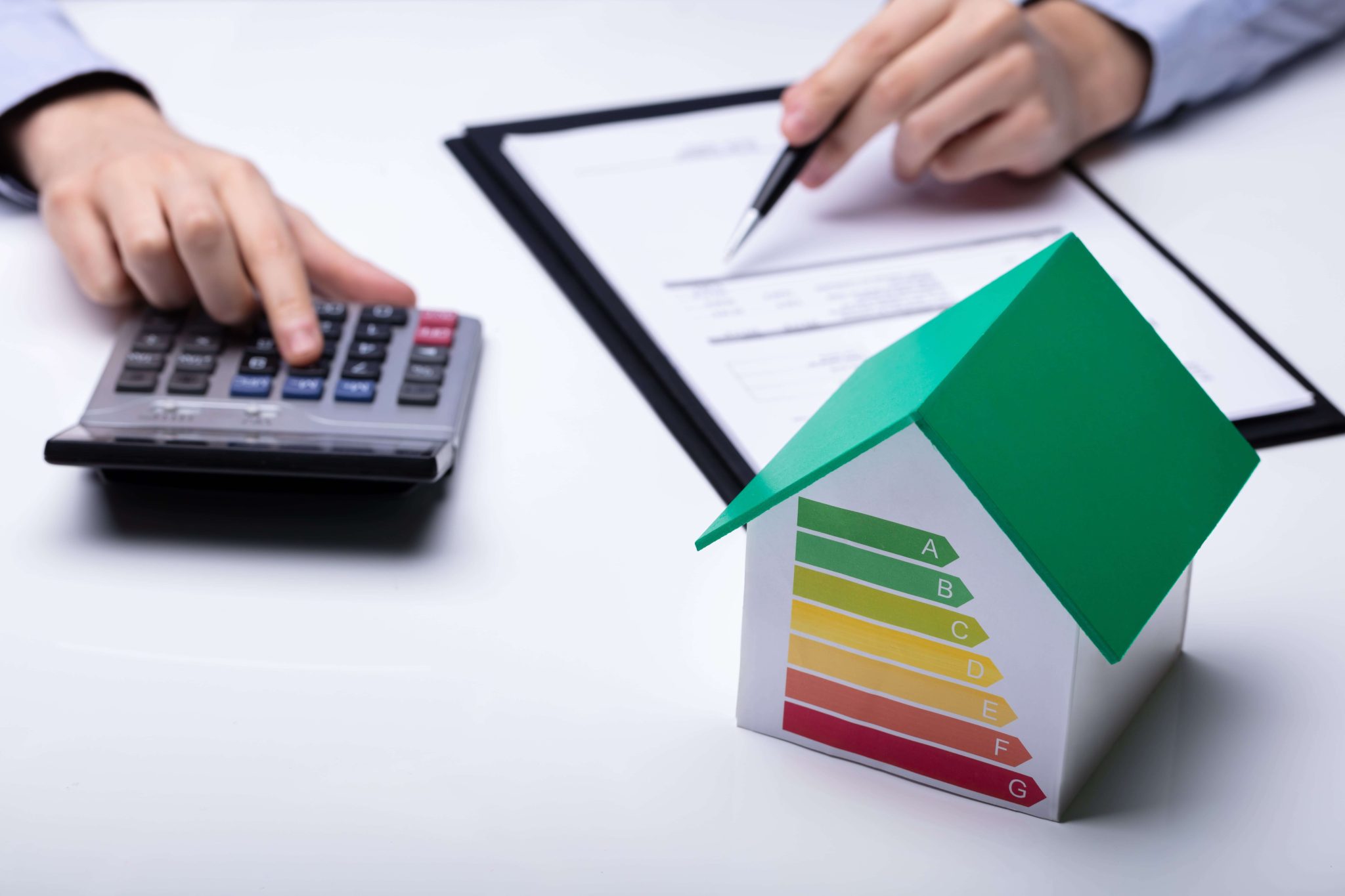
Beat the Heat: How to Lower Your Electric Bill This Summer


Table of Contents
Key Takeaways
Rising summer temperatures mean rising electricity bills, but they don’t have to catch you off guard. Air conditioning, appliance usage, and peak electricity hours are the biggest reasons why electricity bills are so high in the summer. Fortunately, learning how to conserve energy in the summer and finding the right energy plan can help you take control of your energy costs before the heat sets in.
Why Are Electric Bills So High in the Summer?
As the summer temperatures start to rise, so do electricity rates. This seasonal shift in electricity rates is driven by increased air conditioning needs and peak grid demand caused by prolonged heatwaves. As more pressure is put on the power grid, it leads to high generation costs – and ultimately, expensive summer energy bills. Understanding the biggest culprits for summer energy usage can help you lower your home or business’s energy costs without sacrificing comfort all season long.
What’s Really Driving Up Your Summer Electric Bill?
How appliances and building systems are used during the warmer months impacts your summer electricity bills. By finding the most energy-intensive appliances in your home or business, you can make a few small habit changes that lead to summer energy savings.
Air Conditioning & Cooling Systems
Air conditioning represents the largest component of your summer electricity bill, especially if you have an older model or poor maintenance routine. Outdated HVAC systems, clogged air filters, or the wrong thermostat settings can set your home or business up for expensive summer energy costs.
Appliances & Electronics
Certain appliances and electronics such as dryers, ovens, refrigerators, and gaming systems can increase summer energy usage. These items also produce heat when in use, which builds heat in your home and causes your air conditioning to work harder and use more energy to control the temperature.
Laundry, Dishwashers, & Water Heaters
Most people overlook their water heater when factoring summer energy costs, but it represents about 18% of the energy consumed in most homes and businesses. That means running your laundry, dishwashers, and even showers during the hottest times of the day could be quietly driving up your summer electric bills.
Common Mistakes That Make Your Summer Electric Bills Worse
Small, everyday habits can have a bigger impact on your summer energy costs than you might think. Explore some of the most common mistakes that are raising your bills and how to avoid them.
Setting the Thermostat Too Low
While you might think lowering your thermostat as much as possible can cool your space faster, it’s just wasting electricity. Your AC cools at the same rate regardless of the temperature setting, so setting it lower than needed just means it runs longer while costing more.
Skipping Air Filter Changes
Dirty or clogged air filters can make your air conditioning unit work harder than it should to keep your space comfortable, wasting energy in the process. Regular HVAC maintenance, including changing air filters, can help you save up to 15% on energy costs at your home or business.
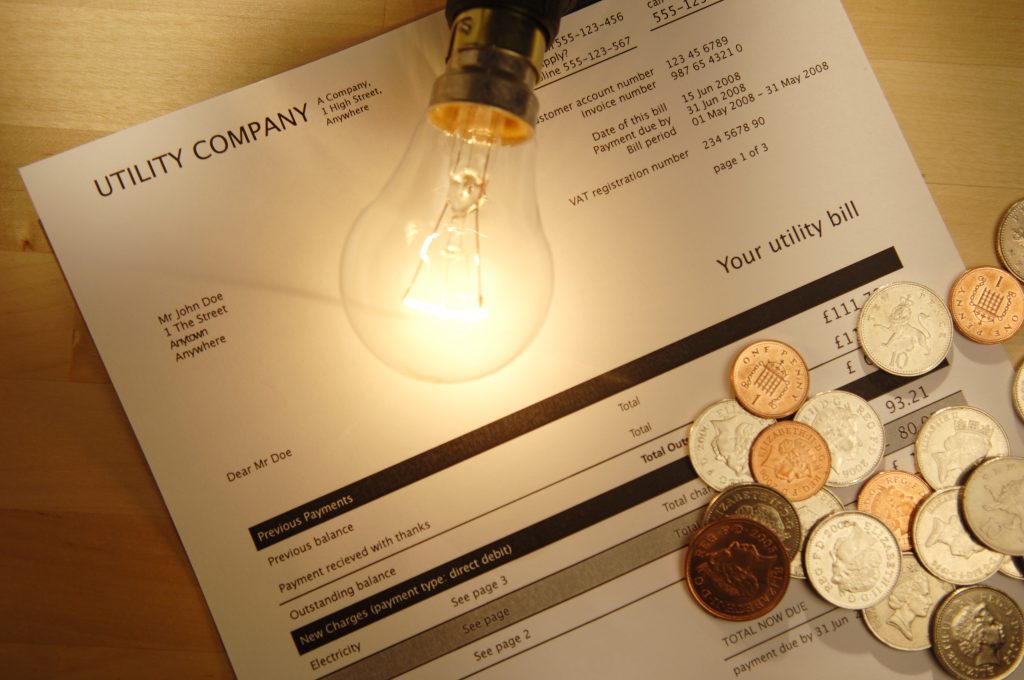
Running Appliances During Peak Hours
Depending on your summer energy plan, you could be charged more for running appliances during the hottest times of day, when the grid is under the most pressure. Shifting appliance usage to off-peak electricity hours can help keep your energy costs low and your space cooler.
5 Energy Saving Tips for Summer That Actually Make a Difference
The best energy saving tips for summer don’t require major renovations, just a few simple habit changes that add up to real savings. These summer energy efficiency tips cover the most meaningful changes you can make at home or work to cut cooling costs without sacrificing comfort.

Adjust Your Thermostat Strategically
During the summer, keep your thermostat set to 78℉ while your home or business is occupied and adjust it to 85℉ when it’s empty. These thermostat settings will give you the best comfort–to–cost–savings ratio during the hottest months of the year. Smart thermostats can automate these settings, so you never have to think about it.

Use Fans to Reduce Cooling Costs
Ceiling fans are a simple, low-cost way to stretch your air conditioning further. By creating a wind chill effect, fans allow you to raise your thermostat a few degrees without feeling the difference. That small adjustment can reduce energy costs by up to 11%. Circulate cool air throughout your space by running your ceiling fan counterclockwise.

Block Heat from Entering Your Home
While keeping the windows open on a summer day seems like a good idea, it could raise your energy bills. In the warmer months, about 76% of the sunlight that falls on standard double-pane windows enters and become heat. Investing in blackout curtains or energy-efficient window coverings helps reduce solar heat gain while keeping your space cooler.

Shift Appliance Use to Off-Peak Hours
While doing housework after work is convenient, it could cost you more money. Summer peak energy pricing typically occurs during the afternoon and early evening, when temperatures are hottest, and AC usage puts additional strain on the grid. Shifting appliance usage to off-peak hours, like nights and mornings, can help lower your bills.

Schedule Pre-Summer HVAC Maintenance
Scheduling your HVAC maintenance before summer temperatures set in is crucial for both your cost-savings and comfort. Dirty coils, low refrigerant, and clogged filters all force your system to work harder than necessary. Addressing these issues before peak season leads to a cooler, more comfortable space without the added energy costs.
How to Use Off-Peak Electricity Hours to Lower Your Bill
In deregulated energy markets, the type of plan you choose can also help you maximize summer energy savings. For example, time-of-use energy plans offer different prices depending on the time of day. Prices are highest during peak hours, such as afternoons and early evenings in the summer, and prices lower during off-peak electricity hours, like late evening and early morning.
These plans encourage households and businesses to shift usage to off-peak hours to reduce pressure on the power grid. In exchange, customers enjoy lower nighttime and weekend pricing. If your usage is flexible or lines up with off-peak electricity hours, a time-of-use plan can help you lower your electric bill this summer.
Get Ahead of Rising Summer Energy Costs Before the Heat Hits
Don’t fall victim to summer electricity rate hikes. Getting ahead of summer energy costs means taking action before the temperatures start to rise. Spring is one of the best times to lock in a competitive electricity rate, schedule a pre-season HVAC tune-up, and start practicing energy-saving habits. A little preparation today can maximize summer energy savings all season long.

Compare Summer Energy Rates & Stop Overpaying
In deregulated energy markets, seasonal electricity pricing swings don’t have to impact your budget. Comparing electricity suppliers, rates, and plans can help you find the right energy solution for your home or business. At Price to Compare, we designed our online marketplace with simplicity in mind, allowing you to compare options side-by-side to find the best deal.
Whether you’re searching for fixed-rate stability or time-of-use summer energy saving opportunities, Price to Compare helps you enroll in an affordable plan. Beat the heat and lock in the best rates for summer in just a few clicks.
Frequently Asked Questions About Summer Energy Saving Tips
Why is my electric bill so high in the summer?
As summer temperatures rise, your AC runs longer to keep your space cool, putting additional strain on the power grid that leads to rising electric rates. The combination of increased usage and greater regional electricity demand is what makes summer electric bills so expensive.
What temperature should I set my thermostat to in the summer?
For the best balance between cost-savings and comfort, set your thermostat to around 78℉ while you’re home and raise it to around 85℉ while away. Installing a smart thermostat allows you to easily automate these adjustments for a stress-free way to lower summer energy bills.
What uses the most electricity during summer?
Air conditioning is by far the most energy-intensive part of most homes and businesses during the summer. Cooling systems account for roughly half of summer electricity costs. After the AC, appliances like dryers, ovens, and dishwashers are the next biggest contributors, especially if they’re running during the hottest part of the day.
Does running appliances at night actually save money?
It absolutely can! Running heat-producing appliances like dishwashers, dryers, and ovens during off-peak electricity hours can help reduce energy costs, especially if you’re on a time-of-use plan. By shifting these appliances to the late evening or early morning hours, you also reduce indoor heat build-up, so your air conditioning unit doesn’t have to work as hard throughout the day.
Can switching electricity suppliers lower my electric bill?
Yes! In deregulated energy markets, you have the power to compare electricity suppliers, rates, and plans to get the best deal. Shopping for a competitive fixed-rate or time-of-use plan through the Price to Compare marketplace takes just a few minutes and can help you lock in a lower rate before summer rate hikes set in.
What are the easiest ways to lower summer cooling costs?
Some of the easiest ways to conserve energy in the summer include strategically programming your thermostat, using ceiling fans to circulate cool air, and closing the blinds or curtains during the hottest parts of the day. Shifting your high-usage appliances to off-peak hours is another simple step that can add up to meaningful savings over time.
Compare Energy Rates with Price to Compare
Comparing energy prices and plans in your area has never been easier. Start saving on your energy bills today by exploring electricity and natural gas solutions.

Our Most Recent Blogs
Get the knowledge you need from experts you can trust. Browse our most recent blogs for practical advice, market updates, and helpful resources.